

An accent wall can completely change the mood of a room—without a full remodel or big budget. It’s one of those design moves that feels bold but is surprisingly simple when done right. Whether you want cozy, modern, playful, or dramatic, the right accent wall draws the eye and makes your space feel thoughtfully styled.
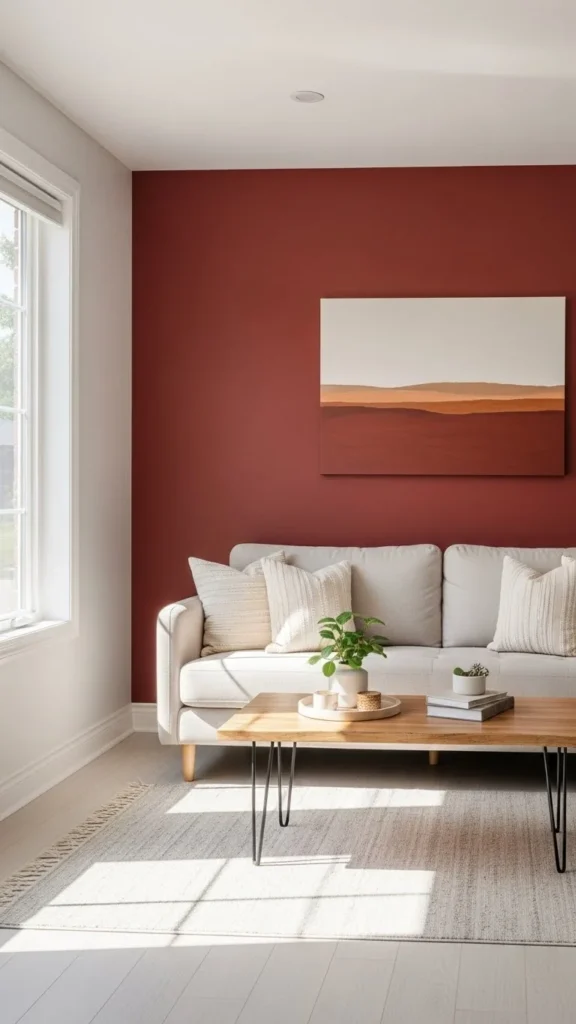
Below, you’ll find easy, step-by-step guidance to help you create an accent wall that feels intentional, stylish, and totally doable—even if you’re decorating on a budget.
What Makes an Accent Wall Work
An accent wall isn’t just about picking a random wall and painting it a darker color. The best ones feel balanced and purposeful.
A strong accent wall:
- Creates a clear focal point
- Adds contrast without overwhelming the room
- Works with existing furniture and lighting
- Feels connected to the room’s overall vibe
Think of it as a visual anchor. Everything else in the room should subtly support it.
Choose the Right Wall First
Before picking colors or materials, decide which wall deserves the spotlight. This step alone can make or break the look.
Good accent wall candidates:
- The wall behind a sofa or bed
- A fireplace wall
- The first wall you see when entering the room
- A wall with architectural details like paneling or shelves
Avoid walls with:
- Too many doors or windows
- Awkward angles
- Heavy visual clutter
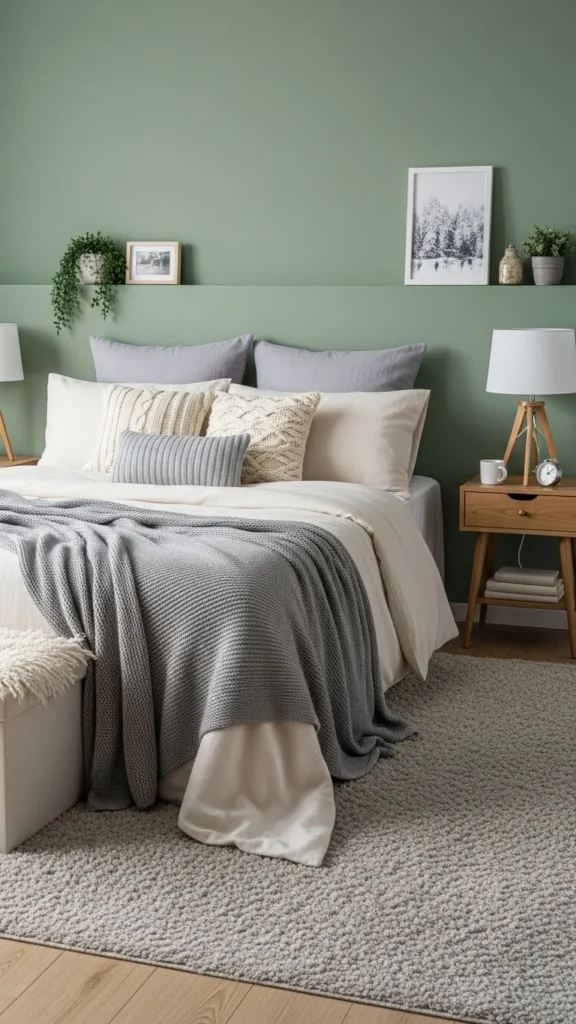
Quick tip: Stand in the doorway and notice where your eyes naturally land. That’s often your accent wall.
Pick a Color or Pattern That Feels Intentional
Color is the most common choice for an accent wall, but it’s not the only option. The key is contrast—without chaos.
Popular Accent Wall Color Ideas
- Deep greens, blues, or warm charcoal for a cozy feel
- Soft clay or muted terracotta for warmth
- Light pastel tones for subtle contrast
- Dark neutrals for a modern, grounded look
If paint feels too simple, consider:
- Wallpaper with a repeating pattern
- Vertical stripes to add height
- Subtle texture like limewash or color washing
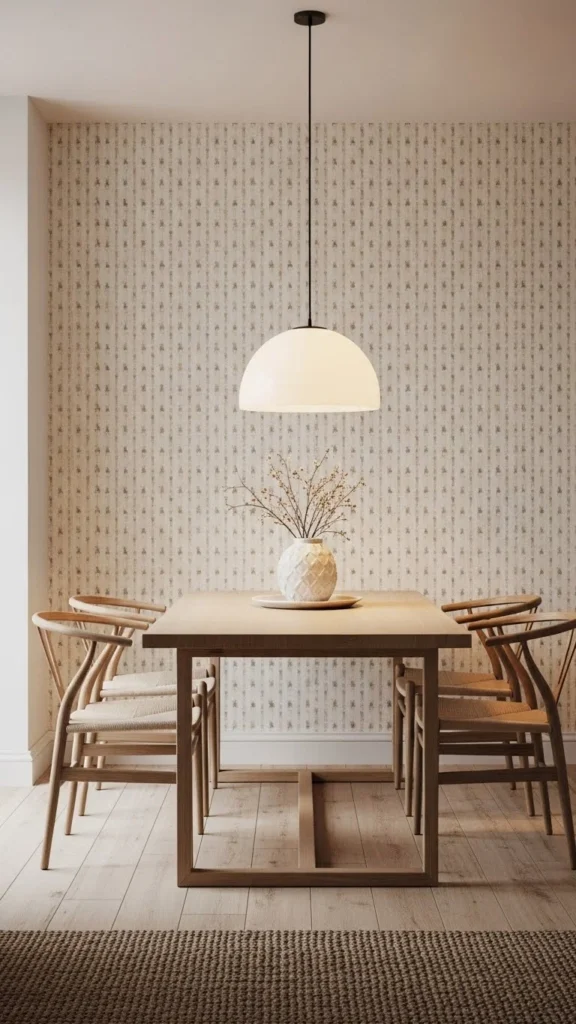
Design tip: Pull a color from a rug, pillow, or artwork already in the room to keep everything cohesive.
Try Texture for Extra Depth
Texture adds dimension and instantly elevates a space—even when the color stays neutral.
Popular textured accent wall ideas:
- Wood slats or panels
- Board and batten
- Shiplap-style planks
- Fabric or grasscloth wallpaper
Texture works especially well in:
- Bedrooms
- Living rooms
- Entryways
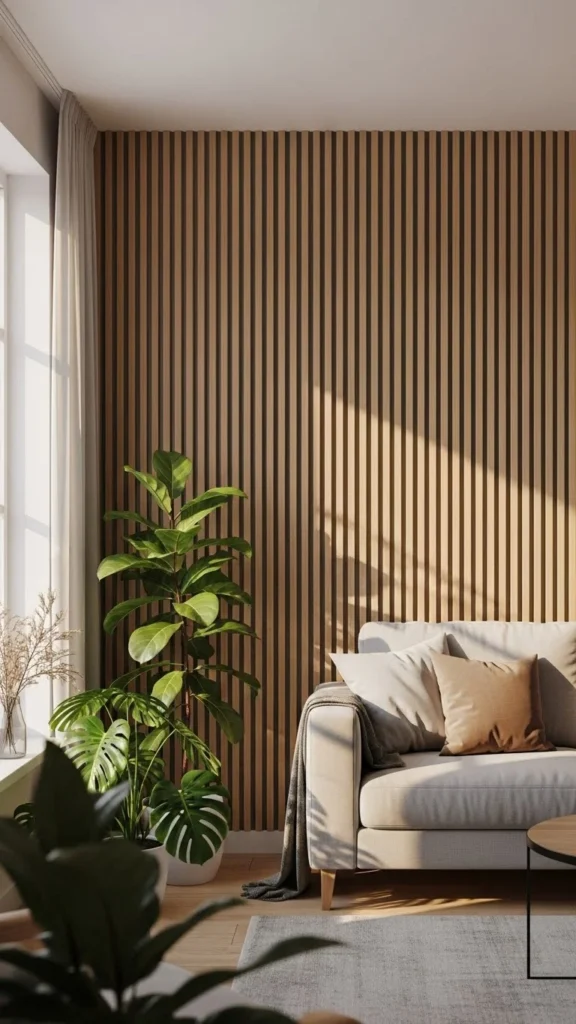
Budget-friendly option: Peel-and-stick panels or removable wallpaper give the look without permanent commitment.
Keep the Rest of the Room Calm
An accent wall should stand out—but not fight for attention. The rest of the room should feel supportive, not busy.
To keep balance:
- Stick to neutral tones on other walls
- Limit bold patterns elsewhere
- Use simple furniture silhouettes
- Repeat the accent color in small decor pieces
Think pillows, throws, frames, or lamps—just enough to echo the wall without copying it.
Style the Accent Wall Thoughtfully
Once the wall is finished, styling matters. Too much decor can hide the wall. Too little can make it feel unfinished.
Easy styling ideas:
- One large piece of art instead of many small ones
- A mirror to reflect light
- Floating shelves with minimal decor
- Wall-mounted lighting for depth
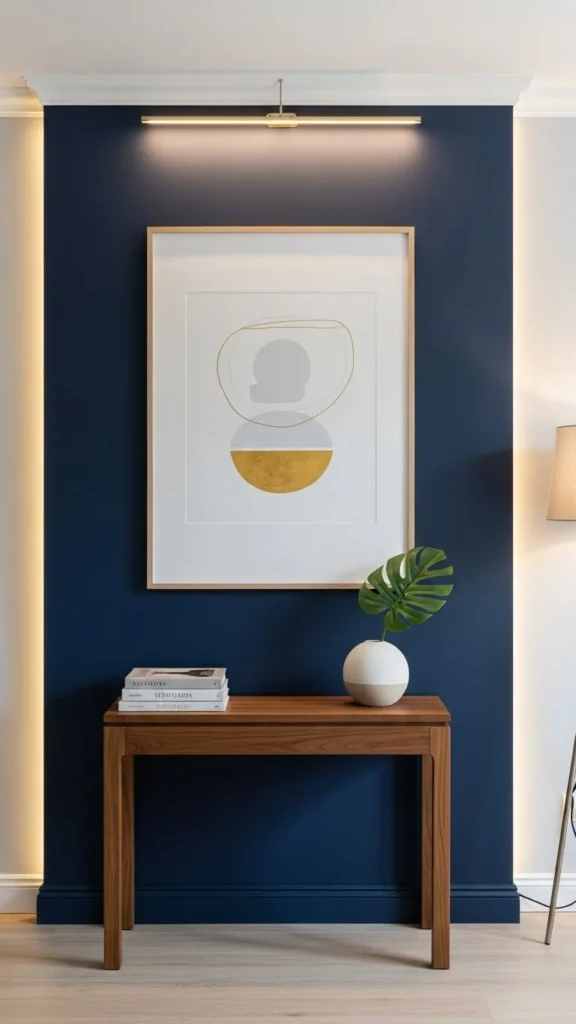
Rule of thumb: Let the wall shine. Decor should enhance, not compete.
Common Accent Wall Mistakes to Avoid
Even simple projects can go sideways. Keep these in mind:
- Choosing a color that clashes with lighting
- Making the accent wall too busy
- Ignoring furniture placement
- Over-decorating the feature wall
Always test paint samples and view them at different times of day before committing.
Final Takeaway
An accent wall is one of the easiest ways to elevate your home and add personality fast. With the right wall, thoughtful color or texture, and balanced styling, you can create a space that feels polished and intentional—without stress.
Start small. Trust your eye. And most importantly, have fun with it.
Save this idea for later and try your own accent wall refresh this week!
Leave a Reply