

Minimalist rooms are calming, stylish, and easy on the eyes—but they can quickly tip into feeling unfinished if you’re not careful. The secret isn’t adding more stuff. It’s choosing the right pieces, placing them with intention, and letting every item earn its spot.
When done well, minimalism feels warm, layered, and thoughtfully designed—not bare or echo-y. Let’s walk through how to decorate a minimalist room that feels complete, balanced, and inviting without clutter.
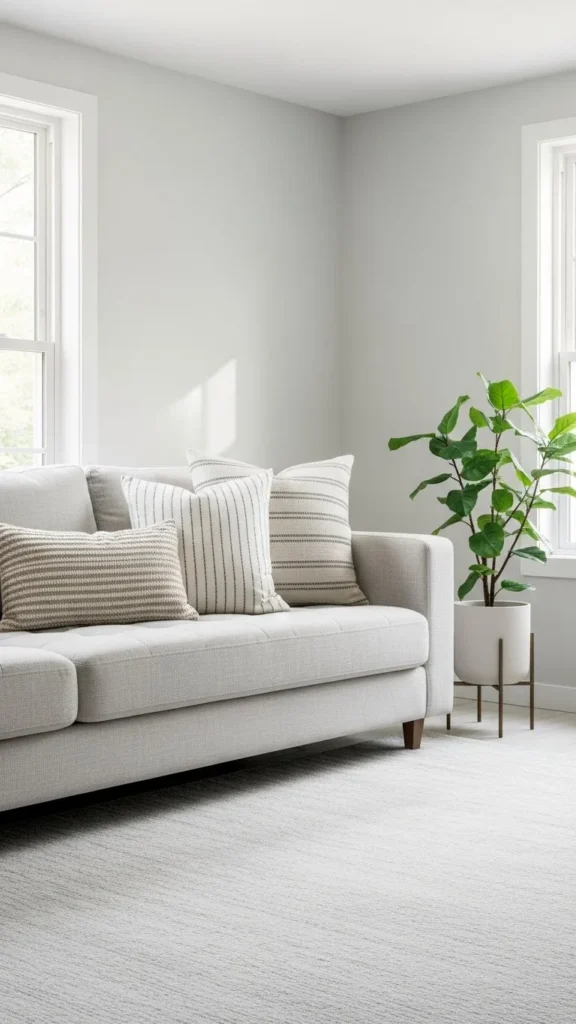
Start With a Clear Anchor Piece
Every minimalist room needs a visual starting point. Without one, the space can feel scattered or oddly empty.
Choose one anchor piece that grounds the room:
- A sofa in the living room
- A bed with a simple frame
- A dining table with clean lines
Once your anchor is in place, everything else should support it—not compete with it.
Tips to avoid emptiness:
- Choose an anchor that fits the scale of the room
- Avoid undersized furniture that leaves awkward gaps
- Let negative space exist around the anchor, not instead of it
Minimalism works best when the main piece feels confident and intentional.
Layer Texture Instead of Adding Clutter
If a room feels empty, it often lacks texture—not furniture. Smooth surfaces everywhere can make a space feel flat.
Add subtle layers using:
- Linen, cotton, or woven textiles
- Soft throws or cushions in similar tones
- Natural materials like wood, clay, or stone
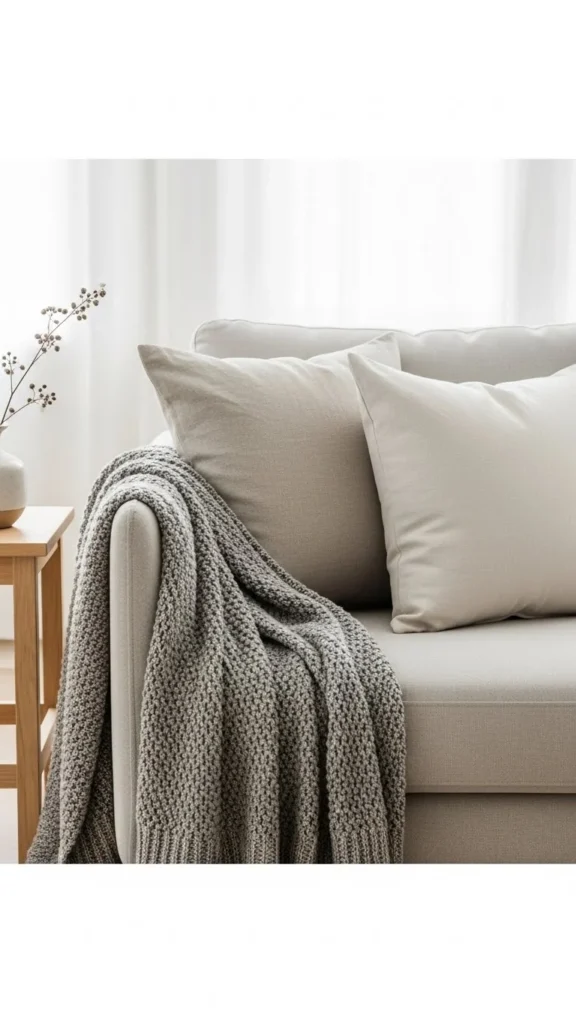
Easy texture upgrades:
- Swap flat cushions for textured fabric
- Add a low-pile rug under seating
- Mix matte and soft finishes
These details fill the space visually while keeping the room calm and uncluttered.
Use the Walls With Purpose
Blank walls are great—but too many can make a room feel unfinished. Minimalist wall decor should feel intentional, not random.
Instead of many small pieces, try:
- One large artwork
- A simple framed print
- A sculptural wall piece
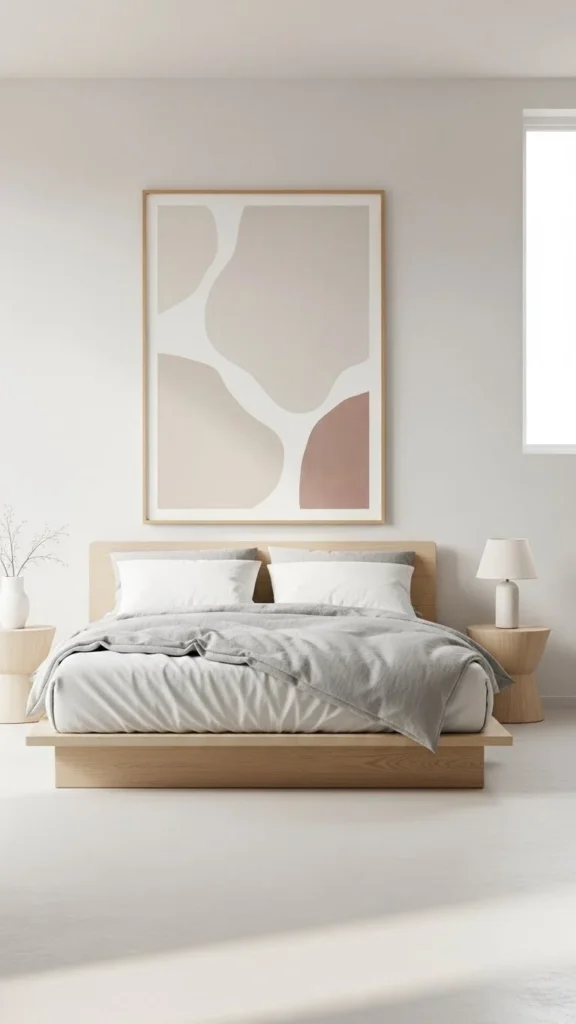
Wall styling tips:
- Keep artwork centered and well-spaced
- Choose soft, muted colors
- Let the wall breathe around the piece
One strong visual moment is better than multiple distractions.
Balance Open Space With Visual Weight
Empty space is essential in minimalist design—but it needs balance. Too much open space on one side of a room can feel accidental.
Create balance by:
- Pairing a sofa with a floor lamp or plant
- Placing a chair opposite heavier furniture
- Using rugs to define seating areas
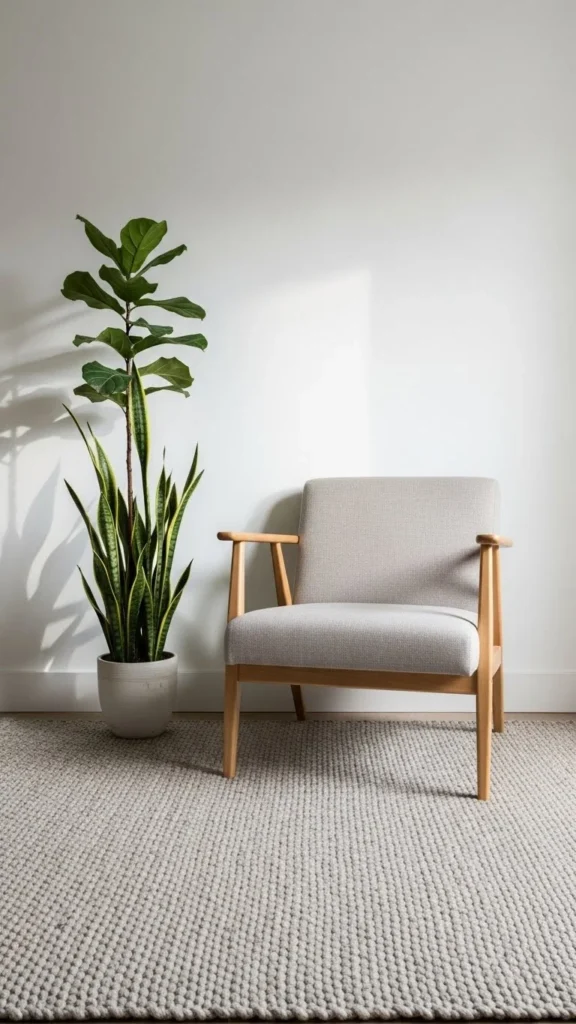
Think in visual weight:
- Heavier pieces on one side need lighter support on the other
- Vertical elements balance low furniture
- Rugs anchor floating layouts
This keeps the room feeling complete without filling every corner.
Style Surfaces With Intention
Minimalist doesn’t mean empty shelves or bare tables. It means edited styling.
Use the rule of three:
- One practical item
- One decorative object
- One natural element
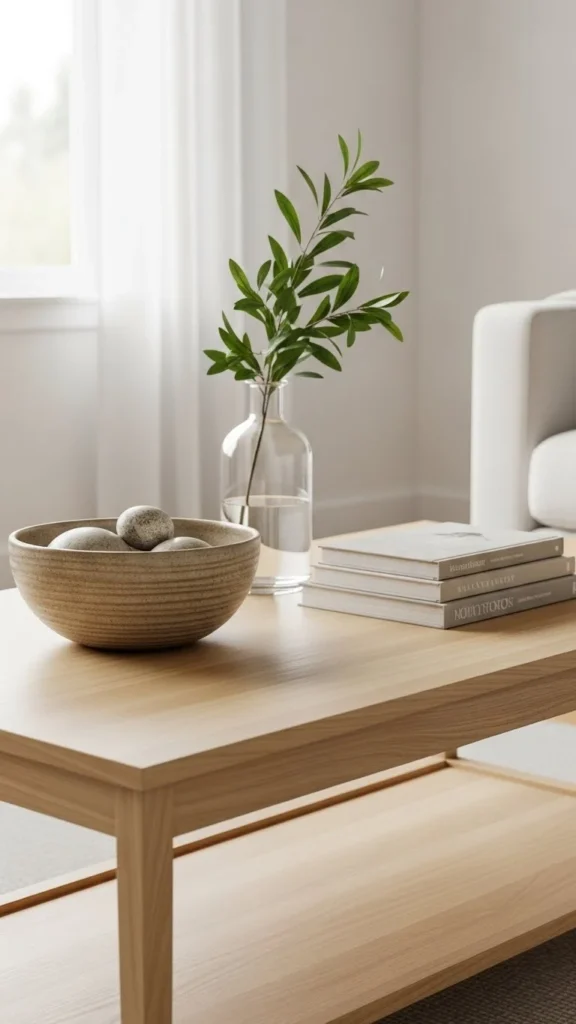
Surface styling ideas:
- Coffee table: tray + object + plant
- Nightstand: lamp + book + small dish
- Console: artwork leaning + bowl + greenery
This approach avoids clutter while preventing flat, unused surfaces.
Let Lighting Warm Up the Room
Lighting is often overlooked in minimalist spaces, yet it makes a huge difference.
Instead of relying on one overhead light:
- Add a floor lamp for height
- Use a table lamp for warmth
- Choose soft, warm-toned bulbs
Lighting adds depth, shadows, and atmosphere—filling the room without adding physical items.
Finish With One Organic Element
If your minimalist room still feels slightly empty, add one organic touch:
- A leafy plant
- Branches in a vase
- A stone or ceramic accent
These elements soften clean lines and bring life into the space without breaking the minimalist feel.
Final Takeaway
A minimalist room should feel intentional, balanced, and lived-in—not bare. By focusing on scale, texture, wall use, and thoughtful styling, you can keep the calm beauty of minimalism while avoiding empty, unfinished spaces.
Save this guide for your next room refresh—and remember, minimal doesn’t mean less comfort. It means better choices.
Leave a Reply