

Lighting can quietly make or break a room. The right glow turns everyday spaces into places that feel warm, welcoming, and thoughtfully designed. The wrong lighting? It flattens color, creates harsh shadows, and leaves rooms feeling unfinished. The good news is you don’t need a designer budget or complicated fixtures to get it right—just a smart plan and a little intention.
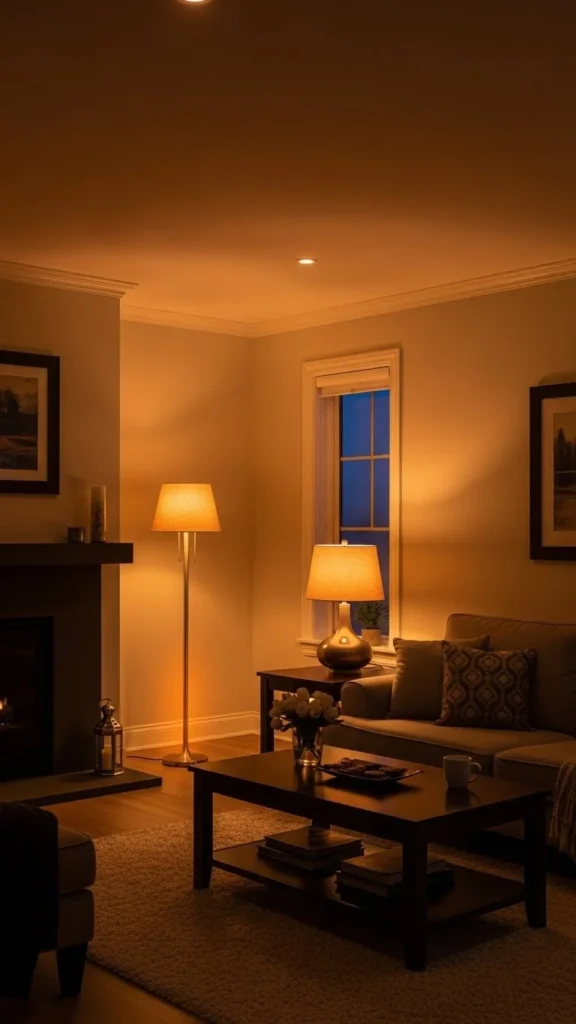
Understand the Three Layers of Light
The secret to rooms that feel balanced and polished is layered lighting. Think of it like building an outfit—you need more than one piece to make it work.
Here are the three layers to know:
- Ambient lighting: Your main source of light, usually from ceiling fixtures or recessed lights
- Task lighting: Focused lighting for reading, cooking, or working
- Accent lighting: Decorative light that adds depth and highlights features
Most rooms need a mix of all three. Relying on just one overhead light often makes a space feel flat. Layering creates dimension and gives you flexibility for different times of day.
Choose the Right Warmth for the Room
Light color matters just as much as brightness. That’s where color temperature comes in.
As a general rule:
- Warm light (soft white) feels cozy and relaxed
- Neutral light feels clean and balanced
- Cool light feels bright and alert
Living rooms, bedrooms, and dining areas usually glow best with warmer tones. Kitchens, bathrooms, and workspaces can handle slightly brighter, cleaner light without feeling cold.
If you’re unsure, look for bulbs labeled “soft white” or “warm white.” They’re forgiving and flattering in most spaces.
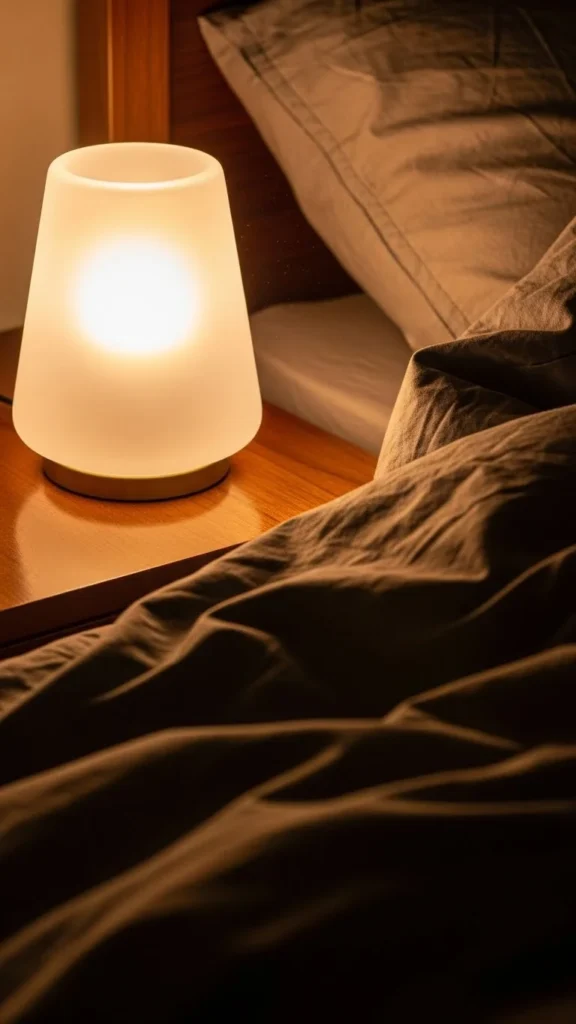
Match Lighting to How You Use the Space
Before choosing fixtures, think about how the room is actually used. Lighting should support real life, not fight it.
Ask yourself:
- Do you read here?
- Do you entertain guests?
- Do you work or create in this space?
For example:
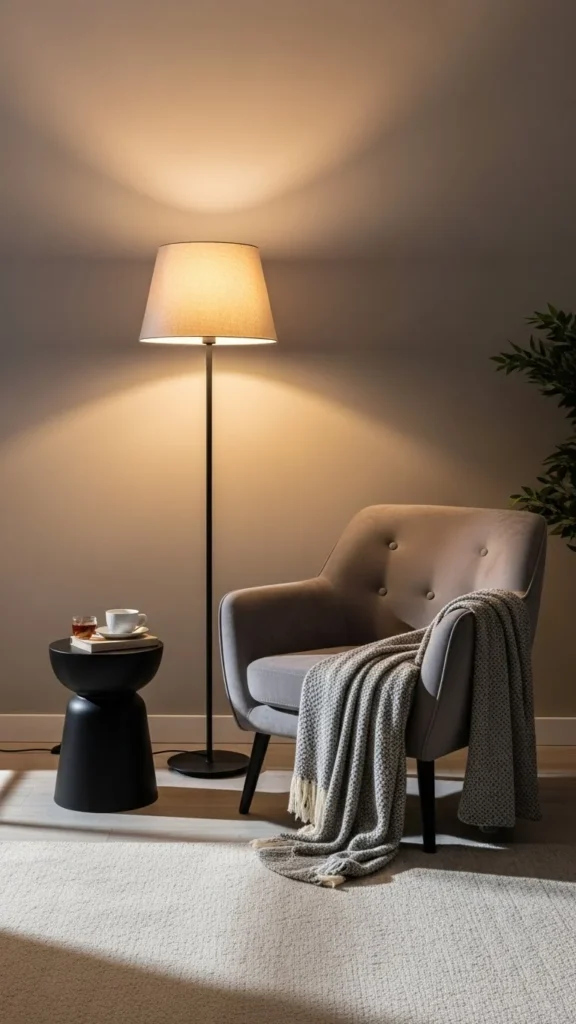
- Reading corners benefit from adjustable floor lamps
- Dining spaces feel inviting with a centered pendant or chandelier
- Work areas need direct, focused task lighting
When lighting matches daily habits, rooms feel more comfortable and intuitive without trying too hard.
Use Lamps to Add Instant Warmth
Lamps are one of the easiest ways to improve lighting without rewiring anything. They add warmth, softness, and personality all at once.
Try these tips:
- Use two lamps instead of one to balance the room
- Mix heights—pair a table lamp with a taller floor lamp
- Place lamps near seating to create cozy pockets of light
Even small rooms benefit from multiple light sources. Lamps help break up shadows and make spaces feel layered instead of harsh.
Don’t Forget About Dimmers
If there’s one upgrade that instantly elevates lighting, it’s dimmers. They give you control over mood and brightness without changing fixtures.
Dimmers allow you to:
- Brighten rooms for cleaning or daytime tasks
- Soften light for evenings and relaxation
- Adjust lighting with the seasons
They’re especially useful in living rooms, dining areas, and bedrooms. Once you use them, it’s hard to go back.
Highlight What You Love
Accent lighting draws attention to the details that make your home feel personal. It adds visual interest and depth without overpowering the room.
Consider accent lighting for:
- Artwork or framed photos
- Shelving or display cabinets
- Architectural features like arches or textured walls
Small lights aimed intentionally can completely change how a room feels—subtle, but impactful.

Choose Fixtures That Match Your Style
Lighting fixtures are functional, but they’re also part of your decor. Think of them as jewelry for the room.
When choosing fixtures:
- Keep finishes consistent within the space
- Match shapes to your style—clean lines for modern rooms, softer curves for cozy spaces
- Don’t be afraid to mix materials for interest
A simple fixture in the right place often looks better than something overly bold that doesn’t fit the room’s vibe.
Keep It Simple and Flexible
Great lighting doesn’t have to be complicated. Start small, add layers, and adjust as you live in the space.
Focus on:
- Warm, balanced light
- Multiple sources instead of one
- Flexibility for different moods
Lighting should feel effortless, not overwhelming.
Final Glow-Up Tip
Good lighting transforms how a room feels—and how you feel in it. Start with one space, layer your light, and trust what feels comfortable and inviting.
Save this guide for later and let every room in your home shine.

Leave a Reply