

A bedroom should feel calm the moment you walk in—not cramped, cluttered, or awkward to move through. The way your furniture is arranged plays a huge role in how spacious and relaxing the room feels, no matter its size. With a few thoughtful adjustments, you can improve flow, maximize usable space, and make your bedroom feel more balanced and inviting.
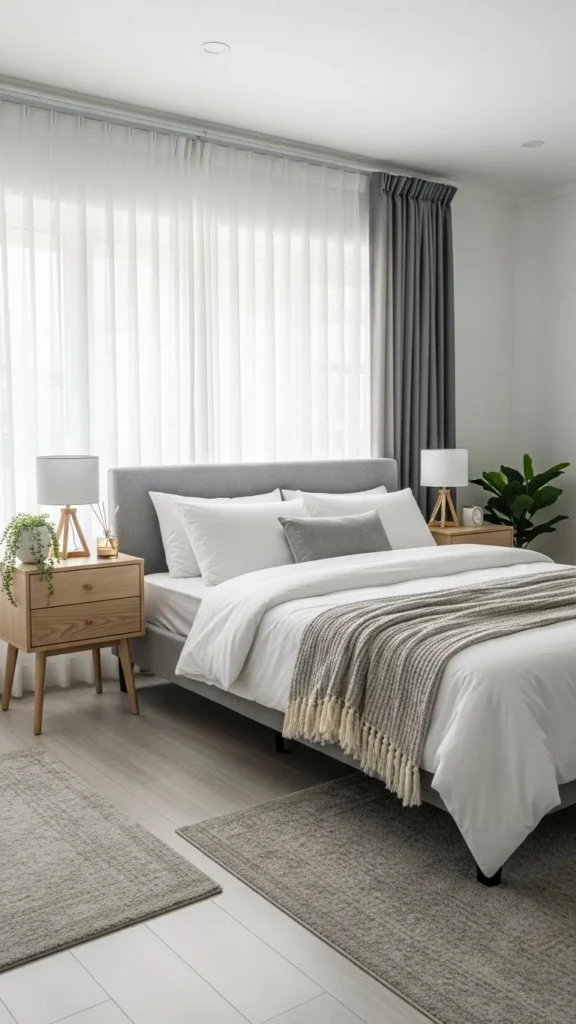
Start With the Bed as Your Anchor
The bed is the largest piece in most bedrooms, so everything else should work around it.
A good rule of thumb is to place the bed where it feels visually grounded and easy to access. Ideally:
- The bed should be against a solid wall
- You should be able to walk around both sides comfortably
- The headboard should face the door, but not block it
If space allows, center the bed on the main wall. This creates symmetry and instantly makes the room feel more organized. In smaller rooms, pushing the bed slightly off-center can free up valuable walking space without making the layout feel awkward.
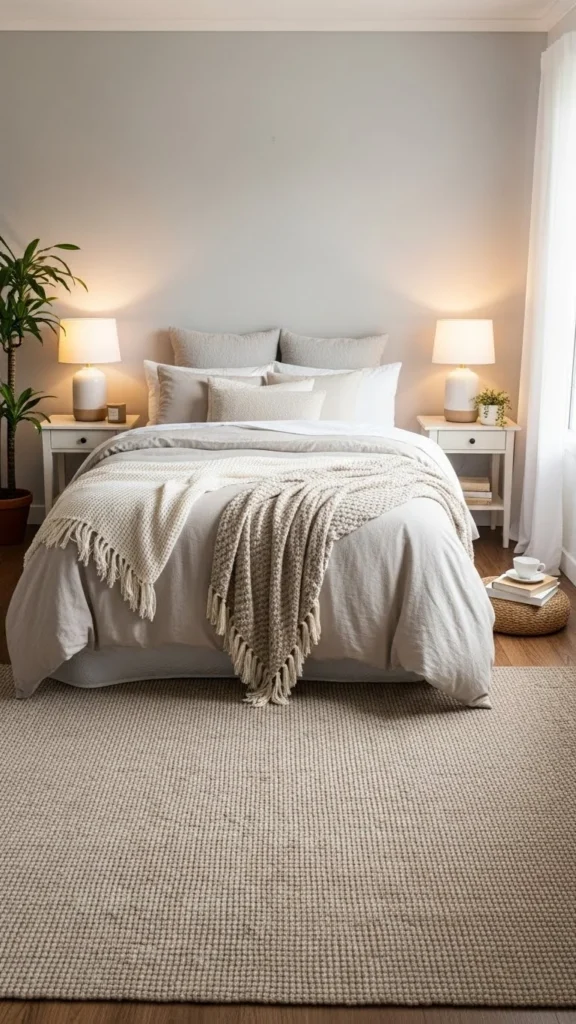
Keep Clear Pathways for Easy Movement
Good flow means you can move around the room without squeezing past furniture or bumping into corners.
Aim for:
- At least 24–30 inches of walking space around the bed
- Clear access to closets and doors
- No furniture blocking natural walkways
If your room feels tight, try removing one non-essential piece, like an extra chair or bulky bench. Often, less furniture leads to better flow and a more relaxing atmosphere.
A simple test: walk through your bedroom with the lights off. If you bump into things, your layout needs adjusting.
Choose Nightstands That Fit the Space
Nightstands should support your bed—not overwhelm it.
For better flow:
- Match the height of the nightstand to your mattress
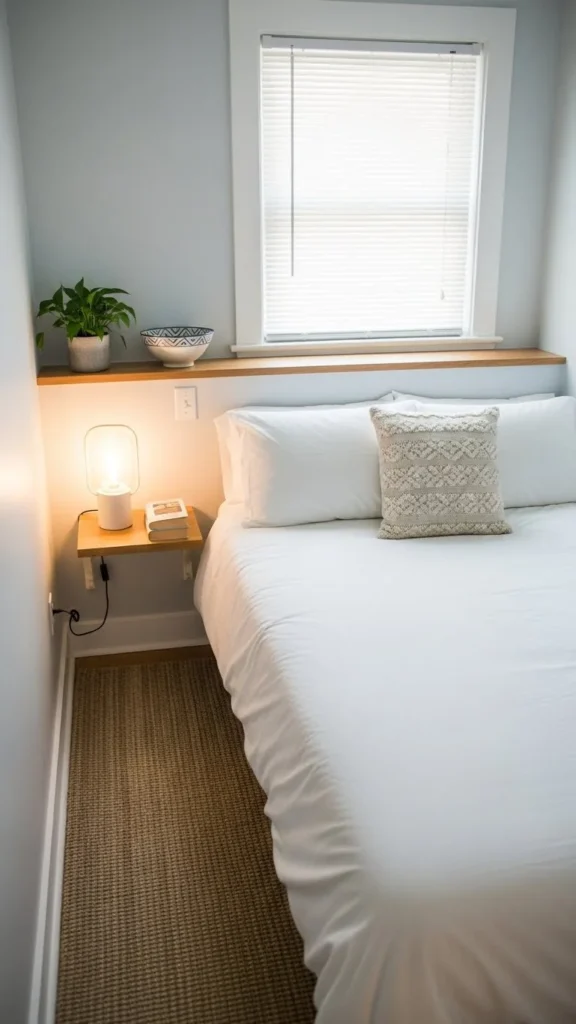
- Use slim or wall-mounted nightstands in small rooms
- Keep surfaces mostly clear to reduce visual clutter
If space is limited, you don’t need two matching nightstands. One compact table or floating shelf can still be functional while keeping the room open.
Rethink the Dresser Placement
Dressers are often the second-largest furniture item in a bedroom, so placement matters.
Smart dresser placement ideas:
- Position it along a wall opposite the bed
- Avoid placing it where drawers block walkways
- Use a low dresser to double as a TV stand if needed
If your bedroom is narrow, consider a tall vertical dresser. It offers the same storage while taking up less floor space, improving both flow and visual balance.
Use Corners and Vertical Space Wisely
Corners are often underused, but they can work hard without disrupting flow.
Try:
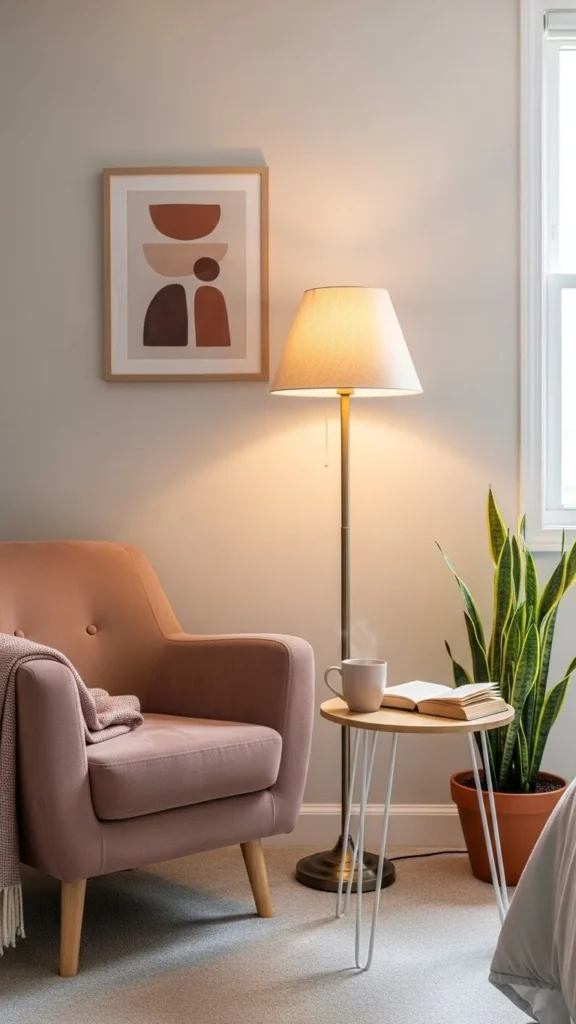
- A small reading chair tucked into a corner
- A floor lamp instead of a table lamp
- Tall shelves instead of wide bookcases
Vertical storage draws the eye upward, making the room feel taller and more open. Wall-mounted shelves, hooks, and lighting also keep the floor clear, which helps the space feel lighter.
Avoid Furniture That’s Too Large for the Room
Even beautiful furniture can ruin flow if it’s out of proportion.
Signs furniture is too big:
- Doors or drawers can’t open fully
- Walking paths feel tight
- The room feels heavy or crowded
When possible, choose:
- Low-profile beds
- Narrow dressers
- Multi-functional furniture, like storage beds
Smaller-scale pieces help maintain balance and allow the room to breathe.
Create Visual Balance With Symmetry (or Intentional Asymmetry)
Symmetry creates calm, but it’s not the only option.
You can:
- Use matching lamps or nightstands for a classic look
- Balance a dresser on one side with artwork or a mirror on the other
- Offset larger pieces with lighter decor nearby
The key is intention. When furniture placement feels purposeful, the room feels more harmonious.
[Image Prompt] A thoughtfully styled bedroom with balanced furniture placement, soft lighting, and a mirror reflecting natural light.
Do a Final Flow Check
Before calling it done, stand in your doorway and take a moment to observe:
- Is the bed the clear focal point?
- Are walkways open and intuitive?
- Does the room feel calm, not crowded?
Small tweaks—like shifting a dresser a few inches or swapping a bulky lamp for a slimmer one—can make a noticeable difference.
Final Takeaway
Arranging bedroom furniture for better space and flow isn’t about perfection—it’s about comfort and ease. Start with the bed, protect your walking paths, and choose furniture that fits your room’s scale. A well-arranged bedroom feels more restful, looks more polished, and makes everyday routines smoother.
Save this guide for later and revisit it whenever your bedroom starts to feel a little off. Sometimes, a simple furniture shuffle is all it takes to transform the space.
Leave a Reply